Resources

A collection of things I’ve created, conversations I’ve been part of, and ideas I want to share. From podcasts and webinars to blog posts and practical resources, you’ll find a mix of perspectives, information and tools around autism, neurodivergence, and navigating a world that isn’t always built with us in mind.

Articles

Article: Sense of Time

An article I wrote for the NPTool website about our sense of time (or ‘time blindness’) and how people can process time differently. The article is aimed at young people, but adults could totally find it interesting or helpful too!
Read More »
Projects

Project: Autism Understood

Autism Understood is a website about autism, for autistic young people. The project has developed over time, from an accessible online library of information and articles, to a structured course for young people, alongside training that enables professionals to deliver the course in their own settings.

Read More »
Projects

Project: Barriers to Education

Barriers to Education is a collaborative project working to improve understanding and support for young people who experience barriers to accessing education in a school setting. Bringing together professional expertise, lived experience and the voices of young people, the project challenges assumptions about school attendance and focuses on understanding what

Read More »
Projects

Project: Young People’s Neuroprofiling Tool (NPTool)

The NeuroProfiling Tool (NPTool) is a quiz and resource designed to help young people better understand their own brains, recognise their strengths and challenges, and identify strategies and support that work for them. It takes a strengths-based, individualised approach to understanding how different brains work.

Read More »
Downloads

Download: The Backpack Tool (Barriers to Education)

‘The Backpack Tool’ is a strengths-based reflective tool that I designed to support conversations with children and young people who may be finding school attendance, relationships, or life in general a bit difficult. Inspired by the idea that we all carry different things with us (some helpful, some heavy), this

Read More »
Articles

Article: Supporting Autistic Young People with PMDD

An article I wrote exploring how PMDD can affect autistic young people and how parents and professionals can better understand and support them. It covers recognising symptoms, navigating barriers to diagnosis and treatment, and making practical adjustments to support wellbeing throughout the menstrual cycle. It also includes downloadable pdfs of

Read More »
Articles

Article: Impulsivity

An article I wrote for the NPTool website about impulsivity. I cover some strategies that might be helpful if you struggle with impulsivity, but also highlight how it can be a strength too (shout out to my fellow creative problem-solving AuDHDers!)

Read More »
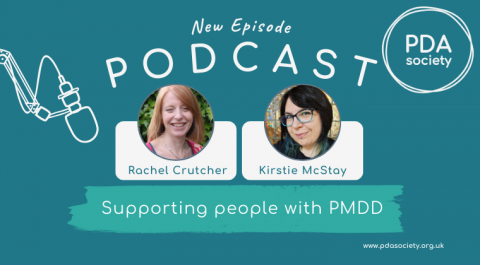
PDA society podcast thumbnail supporting people with PMDD
Podcasts

Podcast: Supporting People with PMDD

I Join Rachel Crutcher from the PDA Society on their podcast to discuss supporting people with PMDD. This is a two part podcast, with Part 1 available to watch for free via their YouTube channel, and Part 2 is a more in depth conversation, for subscribers to their training hub.

Read More »
Articles

Article: Hyperactivity

An article I wrote for the NPTool website about hyperactivity and how it can be a strength as well as a challenge! (And some strategies for when it is being challenging!). The article is aimed at young people, but adults could totally still find it helpful too.

Read More »
Articles

Article: Differences in Reading & Writing

An accessible guide to differences in reading and writing for young people, exploring the different ways people process written information, express their ideas and approach literacy-related tasks, alongside strategies to help them work with their individual strengths and challenges.

Read More »
Articles

Article: Attentional Differences

An accessible guide to attentional differences for young people, exploring how different brains experience focus, internal hyperactivity and remembering tasks, alongside the strengths and strategies that can help people work with their own attention.

Read More »